
Why Glass Cooling Beads Are the Secret to Smoother Vapor in the POTV Lobo and ONE
Share
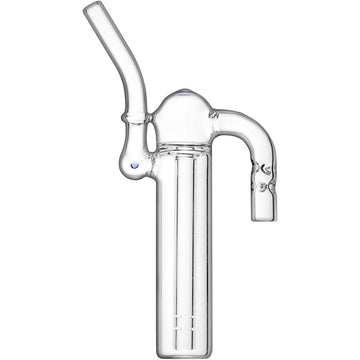
Glass cooling beads turn a normal POTV Lobo or ONE stem into a compact heat exchanger. Hot vapor travels past a bed of glass pearls, loses temperature, and arrives smoother at the lips — without filling a bubbler or packing a travel kit with water. That is why bead stems have become one of the most useful dry upgrades for these devices, especially when you want medical-grade session comfort without changing how you load the oven.
This guide explains the physics in plain language, how beads interact with terpene-rich vapor, when to choose glass over metal, how beads compare with spirals and water, and the cleaning habits that keep the upgrade honest. It is written for Lobo and ONE owners who already enjoy their device but want cooler pulls and clearer flavor across a full bowl.
How cooling beads actually cool vapor
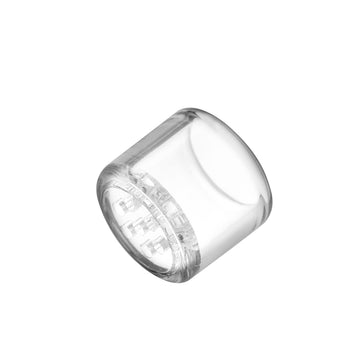
Beads work by surface area and residence time. Instead of racing through an empty tube, vapor weaves around dozens of glass spheres. Each contact point steals a little heat. The result is a longer, cooler path in a stem that still fits a pocket better than most water pieces.
Cooler vapor is not automatically “weaker.” Temperature at the oven still sets extraction and potency. Beads change comfort and how much terpene character survives the trip to your mouth. Many people find they can keep a slightly more efficient set temperature without the harshness that used to force them to turn the dial down.
Think of the stem as the last stage of the session. The heater creates vapor; the stem decides whether that vapor feels sharp or easy. Glass pearls are simply a high-surface-area way to finish the job in dry air.
Why Lobo and ONE users feel the difference quickly
Both devices can produce dense vapor in a compact chassis. That density is great for clouds and less great when the stock path feels hot mid-session. A bead stem gives you:
- Lower perceived heat on long draws
- Clearer flavor in the first half of a bowl when terpenes are brightest
- Travel-friendly cooling with no splash risk
- Faster setup than filling, emptying, and drying a bubbler
- A path that stays useful when you step temperature up for a fuller extraction
If your current complaint is “great device, warm mouthpiece by hit three,” beads are usually a better first fix than buying a second vaporizer.
Glass beads vs metal bead stems
Glass pearls are flavor-neutral and easy to inspect for residue. Metal bead stems can be tougher and slimmer; some people prefer them for pocket carry. Flavor purists usually start with glass. If you already own both, use glass at the desk and a slim metal bead stem when weight matters.
In-stock options include the Super Cooling Glass Beads Stem for Lobo and ONE, the Slim Vibrant bead stem, Slim Cooling Beads mouthpiece body, and the Ultra Cooling Beads Stem. For a metal alternative, see the slim stainless bead stem pack.
Beads vs spiral stems vs water
Spiral glass cools with geometry instead of pearls — also excellent, slightly different draw feel. Water cools hardest but adds bulk, splash risk, and cleaning. A practical rule:
- Daily desk / commute: glass bead or spiral stem
- Maximum smoothness at home: bubbler or WPA when you want it
- Flights and long days out: bead stem, no liquids
Pair beads with a spiralled cooling stem if you like switching textures, or keep long straight stems as a simple backup. Many owners rotate: beads for flavor nights, spiral when they want a livelier draw, straight glass when they want zero loose parts.
How to use a bead stem well
- Start at your normal flavor temperature; only raise heat if vapor thins after the first few pulls.
- Use a medium grind and a springy pack so airflow can move through the pearls.
- Open airflow if the draw feels choked — beads already lengthen the path.
- Take steady pulls rather than short vacuum hits; beads need a moment to exchange heat.
- Stir or finish the bowl when vapor thins; do not blame the stem for an oven that is already spent.
If you microdose with a dosing capsule, the same rules apply — capsules change loading hygiene, not the physics of the pearl bed.
Cleaning without killing the upgrade
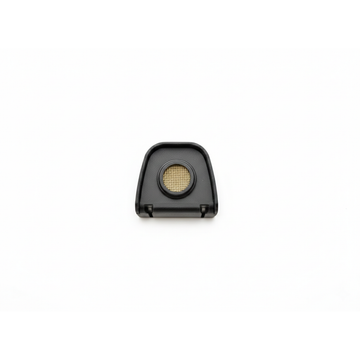
Residue on pearls is the enemy of both flavor and airflow. Soak removable glass bead stems in high-purity isopropyl, agitate gently, rinse thoroughly, and dry fully before the next heat cycle. Do not blast stuck beads with tools that can scratch glass. Replace screens on the device side so debris never migrates into the pearl bed — reusable Lobo/ONE screens help.
A weekly quick rinse and a deeper soak when flavor dulls is enough for most daily users. Heavy users should clean sooner. Clean pearls taste cooler than dirty pearls even at the same set temperature.
Who should skip bead stems
If you only microdose with the shortest possible stem and love a hot, direct hit, beads may feel like more path than you want. Everyone else who finds stock vapor warm by mid-bowl will usually notice the upgrade on the first session. People who already run a dedicated bubbler for every session may treat beads as a travel spare rather than a daily driver — and that is still a good reason to own one.
Buying checklist
- Confirm Lobo / ONE fit (stem diameter and length)
- Prefer removable glass for first purchase if you want easy cleaning
- Keep one spare short stem so you are never stuck mid-clean
- Budget for screens — a cool stem cannot fix a clogged device path
Bottom line
Glass cooling beads are not a gimmick for the POTV Lobo and ONE — they are a portable way to protect terpene flavor and drop harshness while the oven still does the extraction work. Start with a glass bead stem, keep screens fresh, and reserve water for nights when you want maximum smoothing at home. Once you learn the draw, most people stop thinking of the stock mouthpiece as the default and start treating beads as the everyday path.